The Evolution of Virtual Reality in Gaming
As we move further into 2026, the landscape of virtual reality (VR) gaming continues to evolve in ways that many gamers and developers could only dream of a few years ago. With advancements in technology, VR has become more accessible, immersive, and engaging, paving the way for a new era of gaming experiences.
The Current State of VR Technology
In 2026, VR technology has seen significant improvements in hardware and software, resulting in a more refined gaming experience. Here are some key developments:
- Enhanced Visuals: Next-gen VR headsets now boast 4K resolution displays, providing crystal-clear graphics that immerse players in their virtual worlds.
- Improved Tracking: Advanced motion tracking technology allows for seamless movement within games, reducing lag and enhancing user experience.
- Wireless Solutions: The shift towards wireless VR headsets has made it easier for players to move freely, enhancing the sense of presence.
Popular VR Games in 2026
This year has already brought a plethora of exciting VR titles to the forefront. Some standout games include:
- Galactic Odyssey: A space exploration game that allows players to pilot their own spacecraft and interact with alien civilizations.
- Fantasy Realms: A role-playing game (RPG) where players can cast spells and engage in epic battles with immersive magic systems.
- Virtual Sports League: A multiplayer sports simulation game that combines the thrill of traditional sports with the benefits of VR technology.
The Role of VR in Game Development
Game developers are increasingly recognizing the potential of VR as a medium for storytelling and gameplay innovation. In 2026, there are several critical trends in VR game development:
- Interactive Storytelling: Developers are focusing on creating narratives that adapt to players’ choices, providing a unique experience each time.
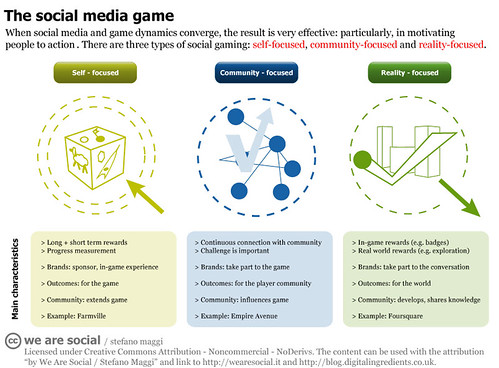
- Social VR Experiences: Multiplayer games are evolving to include social elements where players can form communities and interact in real-time.
- Integration with AI: Artificial Intelligence is being used to create more responsive in-game characters and dynamic environments.
The Future of VR Gaming
Looking ahead, the future of VR gaming seems exceptionally bright. Here are some predictions for the coming years:
- Increased Accessibility: As VR technology becomes more affordable, gaming experiences will attract a broader audience, including those who may have previously found VR too costly or complicated.
- More Diverse Content: Expect a wider range of genres and styles in VR, catering to various gaming preferences and demographics.
- Integration with Other Technologies: The combination of VR with augmented reality (AR) and mixed reality (MR) could create hybrid gaming experiences.
Challenges Facing the VR Gaming Industry
Despite the exciting advancements, there are still challenges that the VR gaming industry must overcome:
- Motion Sickness: Some players still experience discomfort when using VR, leading developers to explore solutions and improve comfort levels.
- Content Creation Costs: High-quality VR games require significant investment and resources, which can be a barrier for smaller studios.
- Market Fragmentation: With many different VR platforms available, developers may face challenges in reaching a broader audience.
Conclusion
As we navigate through 2026, the realm of virtual reality gaming stands at the forefront of technological innovation. With immersive experiences, advanced storytelling techniques, and a growing community of players, VR gaming is set to redefine the gaming landscape. The journey of VR is just beginning, and it will be fascinating to witness where this exciting frontier takes us next.