Understanding Player Feedback in Game Development
In the fast-evolving world of gaming, player feedback has become an invaluable tool for developers. As we navigate through 2026, it’s clear that incorporating player insights not only enhances the gaming experience but also shapes how games are developed from the ground up.
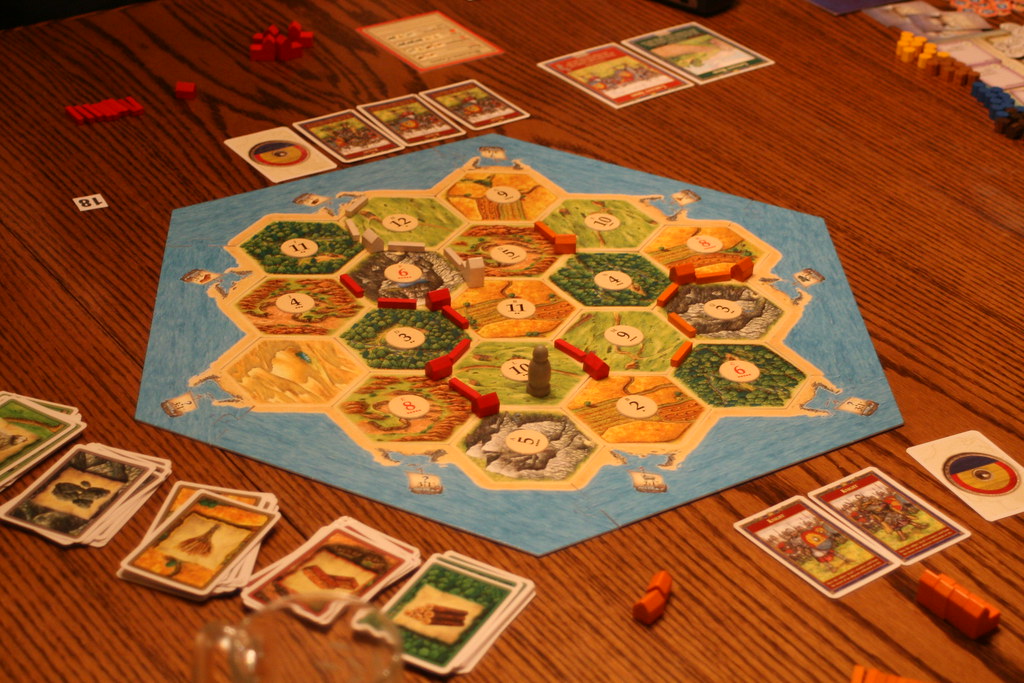
The Importance of Player Feedback
Player feedback can be broken down into various components, each contributing to the overall quality and satisfaction of a game’s lifecycle:
- Enhancing Gameplay: Direct input from players allows developers to fine-tune mechanics and improve overall gameplay. This iterative process leads to more engaging and enjoyable experiences.
- Identifying Bugs and Issues: Players are often the first to spot bugs or unintended behaviors in games. Their feedback can lead to quick patches and updates, ensuring a smoother experience for all.
- Fostering Community Engagement: When developers actively seek and apply community feedback, it fosters a sense of ownership among players. They feel valued, which encourages loyalty and strengthens the community.
Methods for Gathering Feedback
There are several effective methods for developers to gather player feedback:
- Surveys and Questionnaires: These tools allow developers to collect structured data directly from players about specific features or experiences.
- Beta Testing: By releasing a game in beta, developers can gather real-time feedback while players experience the game in its near-final state.
- Social Media and Forums: Platforms like Twitter, Reddit, and various gaming forums provide a space for players to voice their opinions and discuss their experiences.
- In-Game Feedback Systems: Integrating feedback options directly into the game often results in higher response rates from players.
Integrating Feedback into the Development Cycle
The integration of player feedback into the development cycle is nuanced and can be broken down into several phases:
1. Pre-Release
During the pre-release phase, feedback from alpha and beta testing can help shape final adjustments. This stage is crucial for identifying any last-minute issues and gauging player interest in features.
2. Post-Launch Updates
After a game is launched, developers should continue to listen and adapt. Frequent updates based on player suggestions keep the game fresh and engaging, as well as demonstrate that the developers care about their audience.
3. Long-Term Engagement Strategies
In the long run, ongoing community engagement through forums, social media, and regular surveys can keep the feedback loop alive. Developers who continue to evolve based on player input will see sustained success.
Case Studies: Successful Implementations of Player Feedback
Several game development studios have become exemplars of effectively integrating player feedback:
- CD Projekt Red: Following the rocky launch of Cyberpunk 2077, the studio focused extensively on player feedback to guide numerous updates and enhancements, eventually restoring player trust and improving the game significantly.
- Epic Games: The success of Fortnite can be largely attributed to its ability to pivot and adapt according to player feedback. Regular updates based on community desires have kept the game relevant and engaging.
- Riot Games: With League of Legends, Riot Games implements constant community feedback through patch notes and community discussions, which helps balance gameplay and maintains engagement.
Challenges of Player Feedback Implementation
Despite the benefits, integrating player feedback is not without its challenges:
- Contradictory Feedback: With a diverse player base, feedback can often contradict itself. Developers must discern which suggestions align with the game’s vision and which provide the most value.
- Overwhelming Volume: Managing and analyzing a large volume of feedback can be overwhelming, leading to potential delays in updates or misinterpretation of the players’ needs.
- Balancing Creative Vision: Developers must maintain their creative vision while still addressing player concerns, ensuring that changes align with the game’s core identity.
Conclusion: The Future of Player Feedback in Gaming
As we move further into 2026, the importance of player feedback in the game development cycle will only continue to grow. With advancements in technology, developers will have even more tools at their disposal to collect and analyze feedback effectively. Embracing this player-centric approach not only enhances the gaming experience but also builds a stronger, more engaged community. The future of gaming will undoubtedly be shaped by those who listen and adapt to their players.