Introduction
As gamers delve deeper into the digital landscape of 2026, nostalgia has emerged as a powerful force in game design. Developers are increasingly drawing inspiration from the classic games of the past, blending timeless mechanics with modern technology. This article explores how classic game elements are influencing contemporary game design and enhancing player experience.
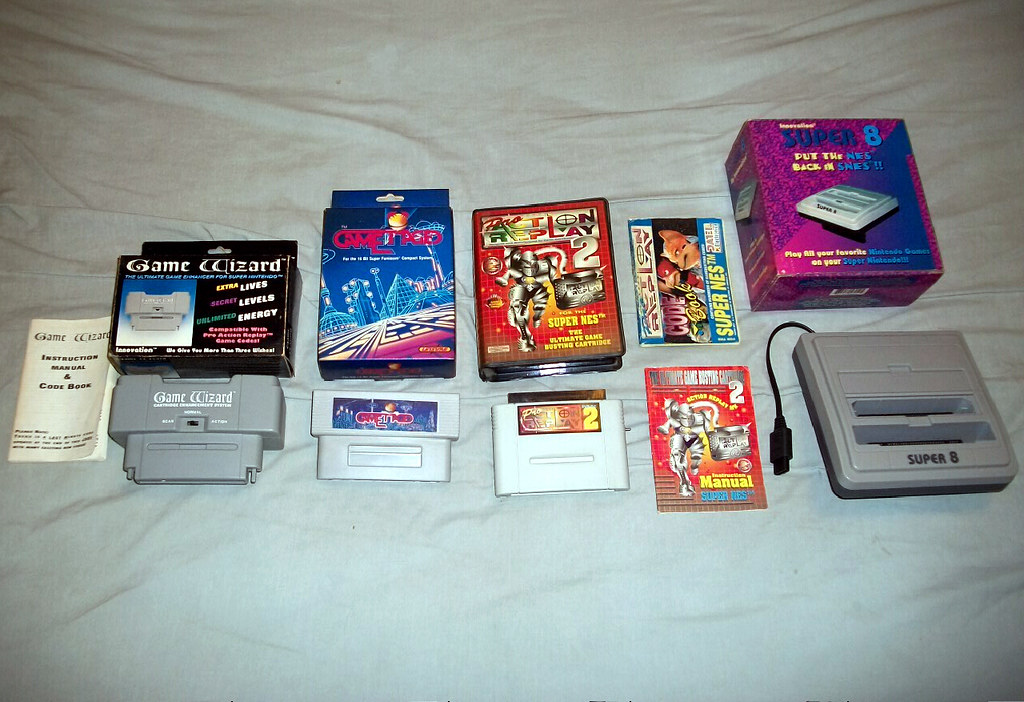
The Power of Nostalgia in Gaming
Nostalgia isn’t just a fleeting emotion; it’s a powerful motivator that can evoke strong feelings of attachment and comfort. In the gaming industry, this sentiment is being leveraged to create experiences that resonate with both older players and a new generation discovering classic titles for the first time.
Why Nostalgia Works
- Familiarity: Players are drawn to elements they recognize from their childhood.
- Emotional Connection: Classic games often hold sentimental value, making new experiences more meaningful.
- Timeless Mechanics: Many mechanics from older games remain engaging and relevant, proving their worth across decades.
Modern Titles Featuring Classic Design Elements
Many modern games integrate classic design elements that enhance gameplay while evoking nostalgia. Here are some notable examples:
1. Retro Graphics and Pixel Art
Pixel art has made a significant resurgence in recent years. Titles like Shovel Knight and Celeste have embraced this art style, blending it with contemporary gameplay mechanics to create robust experiences that feel both familiar and fresh.
2. Platforming Mechanics
Classic platformers like Super Mario Bros. laid the groundwork for design principles that are still applicable today. Games such as Hollow Knight have mastered their own versions of these mechanics, offering players tight controls and challenging levels that hearken back to the platforming golden age.
3. Side-Scrolling Action
The side-scrolling format of games like Castlevania or Contra is increasingly found in modern titles. Games like Dead Cells have utilized this format to create fast-paced action that appeals to both old-school gamers and newcomers alike.
The Revival of Classic Genres
Along with incorporating classic game elements, developers are also revisiting entire genres that had fallen out of favor. The revival of these genres has brought fresh energy into the industry.
1. The Return of the JRPG
Japanese Role-Playing Games (JRPGs) have seen a resurgence, with titles like Octopath Traveler paying homage to 16-bit classics while introducing modern gameplay tweaks. This blend not only attracts long-time fans but also engages new players interested in rich storytelling and immersive worlds.
2. Adventure Games Make a Comeback
Adventure games, characterized by their emphasis on story and exploration, are once again in vogue. Games like Life is Strange draw on narrative-driven gameplay reminiscent of classic titles, capturing the attention of players seeking deep experiences.
Community Engagement Through Nostalgia
Players’ fondness for classic elements extends beyond gameplay; it influences how communities interact with games. Here’s how community engagement has embraced nostalgia:
1. Fan Art and Mods
Many players express their love for classic games through fan art and modding existing titles. This creative outlet allows fans to reinterpret their favorite games while ensuring these classic elements remain alive in the gaming community.
2. Remakes and Remasters
With the popularity of remakes and remasters, players can experience beloved titles with modern graphics and improved mechanics. Games like Final Fantasy VII Remake showcase how nostalgia can drive interest and engagement, paving the way for new players to explore iconic stories.
Challenges and Opportunities in Nostalgic Game Design
Embracing nostalgia isn’t without its challenges. Developers must balance the old with the new to avoid alienating players who may not have the same fondness for classic games.
1. Striking the Right Balance
Finding the right equilibrium between nostalgia and innovation can be tricky. Developers must ensure that classic elements serve the gameplay rather than become mere gimmicks.
2. Expanding Accessibility
While nostalgic elements can attract older players, new gamers may struggle with outdated mechanics. Developers need to adapt these elements to modern expectations, ensuring accessibility for all.
Conclusion
As we move deeper into 2026, the impact of nostalgia on game design appears to be more influential than ever. By incorporating classic elements into modern gameplay, developers can create experiences that resonate across generations. This synergy between the past and present not only enriches player experiences but also fosters a vibrant gaming community united by shared memories and new adventures.