The Intersection of Aesthetics and Functionality
In the rapidly evolving landscape of gaming, where players expect not just entertainment but an immersive experience, game design has taken on a multifaceted approach. As we delve into 2026, it’s crucial to understand how aesthetics and functionality work together to create captivating games.
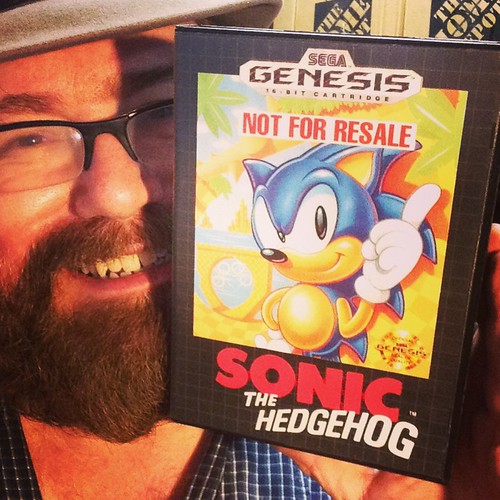
Aesthetic Appeal
The visual elements of a game are often the first impression players get. A well-designed game must not only be visually appealing but should also reflect the narrative and emotional undertones of the gameplay. Developers now think beyond simple graphics; they consider:
- Art Style: Whether using pixel art, hyper-realism, or a unique art direction, the chosen style must fit the game’s theme.
- Color Theory: The use of color schemes that evoke specific emotions can enhance player connection and immersion.
- User Interface (UI): A clean and intuitive UI is essential for guiding players without detracting from the gaming experience.
Gameplay Mechanics
While aesthetics might draw players in, it’s the gameplay mechanics that keep them engaged. Current trends emphasize:
- Fluidity: Smooth controls and responsive feedback mechanisms are crucial in creating an enjoyable experience.
- Complexity vs. Simplicity: Striking a balance between challenging mechanics and easy-to-learn gameplay ensures accessibility for a wider audience.
- Innovation: Incorporating unique mechanics that surprise players can set a game apart in a saturated market.
Engagement Strategies: Keeping Players Hooked
It’s no longer enough for games to be visually stunning or mechanically sound; they must also foster long-term engagement. In 2026, developers are focusing on: Also read: ajo89 for more insights.
Community Building
Games are now designed with community in mind. Developers encourage player interaction through:
- Online Platforms: Forums, Discord servers, and in-game chat features allow players to connect.
- Cooperative Gameplay: Multiplayer modes enable players to experience the game together, fostering a sense of belonging.
- Player-Driven Content: Allowing players to create mods or levels contributes to a vibrant community and extended gameplay longevity.
Dynamic Content Updates
To maintain interest, developers are now adopting a model of regular updates that introduce new content. This includes:
- Seasonal Events: Timed events can draw players back to the game, encouraging them to experience fresh content.
- Expansion Packs: These add new stories, characters, or levels that provide renewed excitement for returning players.
- Feedback Loops: Actively listening to player feedback and responding with updates keeps the community engaged and invested in the game’s evolution.
The Role of Storytelling in Gameplay
Another critical aspect of modern game design is storytelling. The narrative must resonate with players emotionally and contextually, providing:
- Character Development: Well-rounded characters allow players to form emotional connections, enhancing their investment in the game’s outcome.
- Branching Narratives: Offering choices that affect the storyline can create a personalized experience, making each playthrough unique.
- Thematic Depth: Exploring complex themes can lead to profound player experiences, giving them something to ponder long after the game is over.
Conclusion: The Future of Game Design
The landscape of game design is dynamic and continuously evolving. In 2026, developers who embrace the balance between aesthetics, mechanics, and player engagement are likely to create the most compelling experiences. By prioritizing community, innovation, and storytelling, the gaming industry will continue to captivate audiences worldwide, shaping not just how games are played, but how they are experienced.