Introduction: The Shift Toward Community-Centric Gaming
As we step into 2026, the landscape of gaming continues to evolve, and one prominent trend that has emerged is the emphasis on community. Modern gamers are seeking more than just immersive gameplay; they are looking for a sense of belonging and connection with others. This article delves into the importance of community in gaming, examining how it enriches the gaming experience and fosters lasting relationships among players.
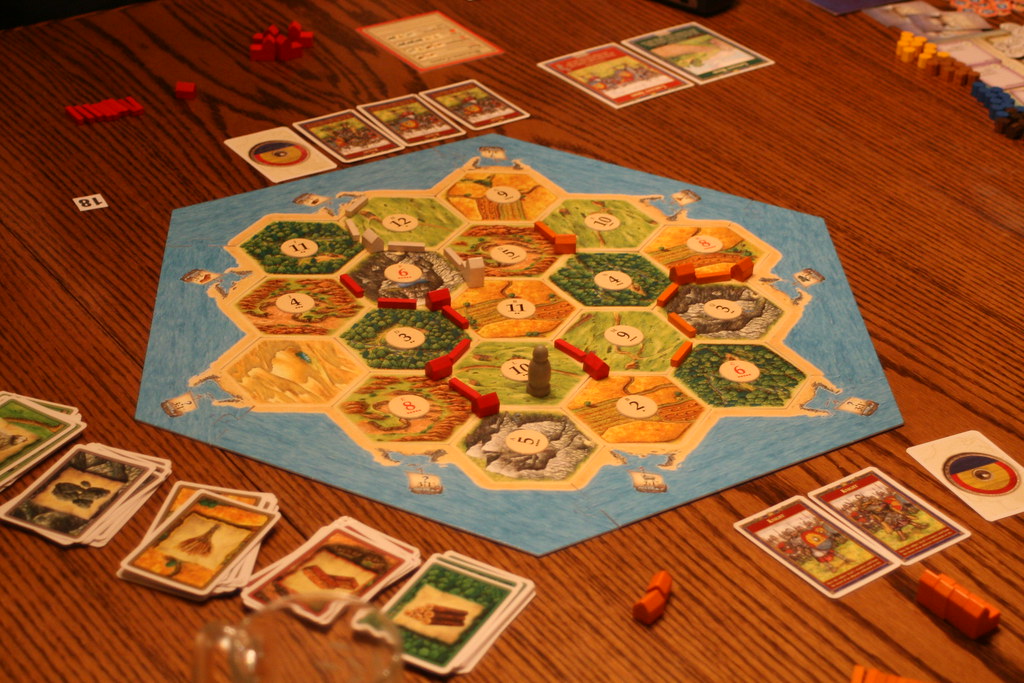
The Evolution of Gaming Communities
Gaming communities have transformed significantly over the years. From simple forums and chat rooms to sophisticated platforms that encourage interaction, today’s gaming communities are diverse and dynamic. Here’s a look at the evolution:
- Early Days: In the late 1990s and early 2000s, gaming communities primarily existed in forums and IRC chats. Players discussed strategies, shared tips, and formed friendships through text-based communication.
- Social Media Integration: With the rise of social media platforms like Facebook and Twitter, gaming communities found new ways to connect. Players could share their achievements, stream gameplay, and interact more casually.
- Dedicated Platforms: In recent years, platforms like Discord have become popular for forming communities around specific games. These platforms allow players to chat via text and voice, and they often host events and tournaments.
- Virtual Reality Communities: As VR technology has advanced, so too have community experiences. Players can now interact within immersive virtual environments, which deepens their connection with others.
The Benefits of Community in Gaming
Communities offer numerous benefits that enhance the overall gaming experience:
- Social Interaction: Gaming communities provide a space for players to meet others who share similar interests, fostering friendships and social bonds that transcend geographical boundaries.
- Support and Collaboration: Players can seek help with challenging aspects of games, whether it’s completing a level, strategizing for a raid, or asking for advice on character builds.
- Shared Experiences: Community events, such as tournaments and game nights, create memorable experiences that players can share, strengthening their connections.
- Increased Engagement: When players are part of a community, they are more likely to stay engaged with a game over longer periods. The social aspect keeps them coming back for more.
Building Stronger Communities in 2026
As we look to the future, it’s crucial for developers and gamers alike to contribute to the growth of healthy and inclusive communities. Here are some ways to strengthen gaming communities:
- Moderation and Inclusivity: Developers should implement strong moderation policies that promote inclusivity and reduce toxicity within communities. Respect and acceptance should be central values.
- Community Events: Organizing in-game events, contests, and tournaments can provide players with opportunities to engage and collaborate, fostering a sense of togetherness.
- Feedback Loops: Developers should encourage community feedback and incorporate it into their games. This not only enhances the game but also makes players feel valued.
- Cross-Game Communities: Encouraging connections across different games can help players form broader friendships. Platforms that support multiple games can facilitate this.
Case Studies of Successful Gaming Communities
Several gaming communities have set a benchmark for what healthy interactions look like:
- Destiny 2: Bungie’s ongoing support for player communities through tools, events, and forums has fostered a strong following. They regularly host community challenges that encourage collaboration.
- World of Warcraft: With a rich history of guilds and alliances, WoW has built a community that thrives on teamwork and social interaction, further enriched by in-game events and expansions.
- Fortnite: Epic Games has created a vibrant ecosystem where players interact not just in matches but through events like concerts and collaborations, solidifying community ties.
The Future of Community in Gaming
Looking ahead, the role of community in gaming will only grow. With advancements in technology, we can expect more immersive and engaging ways for players to connect. This might include:
- Enhanced VR Experiences: As virtual reality becomes more mainstream, players will likely find new ways to interact with one another in shared virtual spaces.
- AI Facilitation: Intelligent systems may help tailor community interactions, suggesting connections based on gameplay styles or interests.
- Global Connections: Language barriers will continue to diminish with translation technologies, fostering even more global communities.
Conclusion: Embracing Community in Gaming
In 2026, the importance of community within the gaming landscape cannot be overstated. Players are looking for connection, support, and shared experiences, and it’s essential for both developers and gamers to cultivate and cherish these communities. By prioritizing inclusivity and engagement, the gaming experience can transcend the screen, creating bonds that last beyond the game itself.