Introduction
The gaming industry has experienced unprecedented growth and transformation over the past few years. As we delve into 2026, understanding the dynamics of game development is crucial for both developers and players. This article explores the current trends, technologies, and challenges facing the game development landscape, offering insights into what the future may hold.
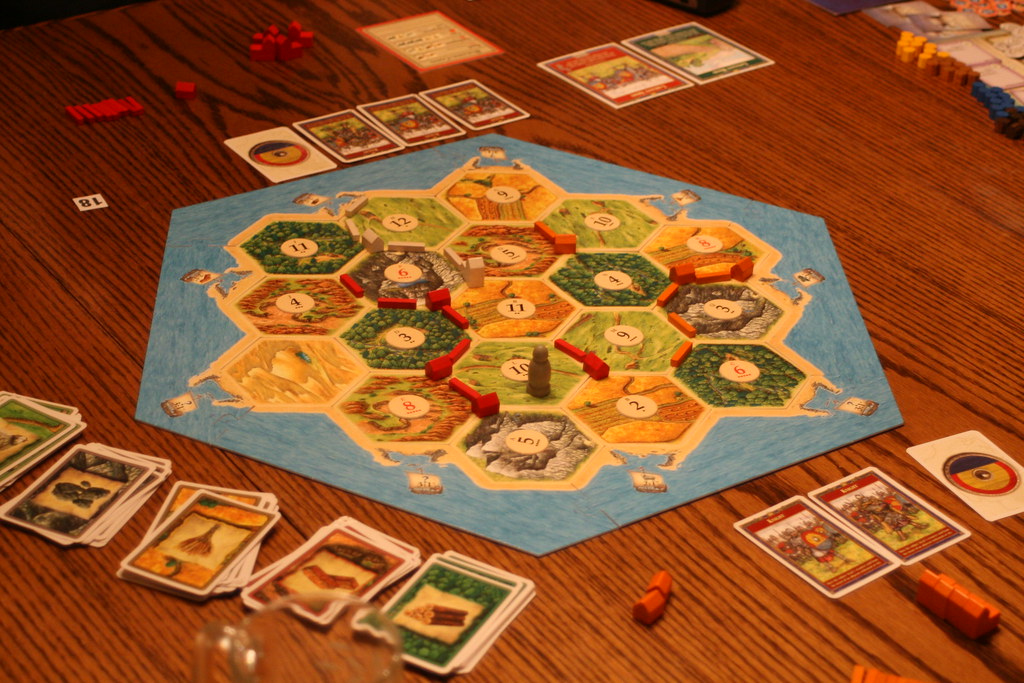
The Current State of Game Development
Game development in 2026 is characterized by several key trends that reflect the ongoing evolution of technology and player expectations.
1. Rise of Cloud Gaming
Cloud gaming has revolutionized the way players access and enjoy games. By allowing users to stream games directly from the cloud, developers can reach a broader audience without the need for high-end hardware. This shift has prompted changes in how games are designed:
- Optimized Performance: Developers are focusing on optimizing game performance to ensure smooth streaming experiences.
- Cross-Platform Accessibility: Games are increasingly being designed for multi-device play, enabling players to switch between consoles, PCs, and mobile devices seamlessly.
2. Enhanced Virtual Reality Experiences
Virtual reality (VR) has made significant strides, offering players immersive experiences that were once the realm of science fiction. Game developers are harnessing advanced VR technologies to create:
- Realistic Environments: High-fidelity graphics and realistic physics are enhancing the overall gaming experience.
- Interactive Gameplay: Players can interact with game elements in ways that feel natural and engaging, increasing immersion.
3. Integration of Augmented Reality
Augmented reality (AR) continues to blur the lines between the virtual and real worlds. With successful titles like Pokémon GO paving the way, AR gaming is expanding into various genres:
- Location-Based Games: Games that incorporate real-world locations are gaining popularity, providing unique gameplay experiences.
- Educational Games: AR is being utilized for educational purposes, making learning more interactive and engaging.
Technological Innovations Driving Game Development
As technology advances, developers have access to tools that enhance the quality and efficiency of game creation.
1. Artificial Intelligence in Development
AI is playing a pivotal role in shaping modern game development. From NPC behavior to procedural content generation, AI helps create more dynamic and responsive gaming environments. Key applications include:
- Adaptive Difficulty: AI algorithms can adjust game difficulty in real-time based on player performance.
- Personalized Experiences: Machine learning is used to tailor in-game experiences to individual player preferences.
2. Improved Game Engines
Game engines are becoming more user-friendly, allowing developers of all skill levels to create high-quality games. Notable advancements include:
- Unity and Unreal Engine Updates: Both engines continue to receive significant updates, enhancing graphics capabilities and streamlining workflows.
- Open Source Options: The rise of open-source game engines is democratizing game development, enabling indie developers to compete with larger studios.
Challenges Facing Game Developers
While the game development landscape is filled with opportunities, there are challenges that developers must navigate.
1. Rising Development Costs
As games become more complex and visually stunning, development costs are soaring. Developers need to balance quality with budget constraints, leading to:
- Investment in Technology: Companies are increasingly investing in new technologies to stay competitive.
- Focus on Monetization Strategies: Finding effective monetization methods without alienating players is a growing concern.
2. Balancing Creativity and Market Demand
Creative freedom is essential for game developers, but market demands can sometimes stifle innovation. Developers face the challenge of:
- Staying True to Vision: Maintaining artistic integrity while meeting player expectations.
- Market Research: Conducting thorough research to understand trends without compromising creativity.
Looking Ahead: The Future of Game Development
The future of game development in 2026 and beyond is bright, filled with potential for innovation and creativity. As technology continues to advance, developers will have the tools necessary to create more immersive, engaging, and diverse gaming experiences.
1. Community-Driven Development
As the gaming community grows, developers are increasingly turning to players for feedback and input during the development process. This community-driven approach can lead to:
- Better Player Engagement: Involving players early on can foster loyalty and excitement for upcoming titles.
- Iterative Development: Developers can make adjustments based on community feedback, resulting in a final product that resonates more with players.
2. Sustainability in Game Development
With growing concerns about climate change, the gaming industry is being urged to adopt sustainable practices. Future initiatives may include:
- Green Game Development: Studios are looking for environmentally friendly practices, from energy-efficient development to eco-conscious packaging.
- Awareness Campaigns: Games that address environmental themes could inspire players to take action in real life.
Conclusion
The landscape of game development in 2026 is vibrant and ever-evolving. With technological advancements and a growing community of passionate players, developers are well-positioned to create unforgettable gaming experiences. By understanding current trends and preparing for future challenges, the gaming industry will continue to thrive.