The Rise of eSports: An Overview
In the past decade, eSports has transformed from a niche hobby into a global phenomenon, captivating millions of fans and players alike. By 2026, the landscape of competitive gaming has evolved significantly, marked by increased visibility, professionalism, and a diverse range of genres.
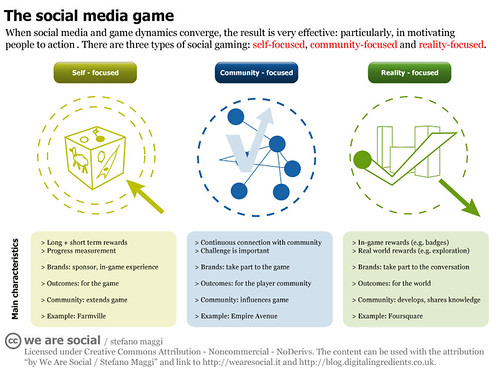
Understanding eSports Culture
eSports culture has developed its unique identity, encompassing not only the competitive aspect but also community engagement, streaming, and social interaction. Here are some elements that define eSports culture today:
- Community Interaction: Fans actively participate in discussions on platforms like Twitch and Discord, sharing strategies and celebrating victories.
- Team Dynamics: Professional teams are now akin to traditional sports franchises, with dedicated fan bases, merchandise, and brand sponsorships.
- Cultural Events: Major tournaments are now celebrated as cultural events, drawing in attendees from around the world.
The Growth of eSports Revenue Streams
As eSports continues to mature, various revenue streams have emerged, contributing to its sustainability:
- Advertising: Brands are investing heavily in eSports sponsorships and advertising, recognizing the expanding audience and engagement rates.
- Merchandising: Teams and players are capitalizing on their popularity by selling branded merchandise to fans.
- Broadcasting Rights: Major platforms compete for the rights to stream popular tournaments, showcasing the commercial potential of eSports.
eSports Trends to Watch in 2026
As we delve deeper into 2026, several trends are shaping the future of eSports:
Increased Inclusivity
eSports is gradually becoming more inclusive, with initiatives aimed at diversifying the player base and audience. Opportunities for underrepresented groups are expanding, encouraging participation and engagement from a broader demographic.
Enhanced Technology Integration
Technology continues to play a pivotal role in enhancing the eSports experience:
- Virtual Reality: VR is being integrated into eSports, offering immersive experiences that change how players and fans interact with games.
- Augmented Reality: AR applications are providing new ways to engage with games, blending the real and virtual worlds.
- AI Analytics: Teams are utilizing AI for performance analysis, helping players improve their skills through data-driven insights.
Global Expansion of Competitive Gaming
While eSports started primarily in North America and Asia, its global reach is expanding. Emerging markets in regions such as Africa and South America are seeing increased participation:
- Local Leagues: Grassroots leagues are forming, allowing aspiring players to compete and showcase their talent.
- International Tournaments: Events like the International and the League of Legends World Championship are drawing global audiences, highlighting talent from around the world.
The Role of Education in eSports
As eSports continues to gain prominence, educational institutions have begun to recognize its legitimacy:
- Curricular Inclusion: Schools and universities are offering courses related to game design, broadcasting, and sports management, preparing students for careers in the eSports industry.
- Scholarships: Several universities now provide scholarship opportunities for talented gamers, encouraging students to pursue both education and competitive gaming.
Developing Professional Skills
In addition to game-specific skills, eSports can foster essential professional skills:
- Teamwork: Competing in teams teaches collaboration and communication, crucial skills in any career.
- Strategic Thinking: Players learn to analyze situations quickly and make strategic decisions under pressure.
- Time Management: Balancing practice, competition, and education helps in developing strong organizational skills.
Challenges Facing eSports in 2026
Despite the growth and positivity surrounding eSports, challenges still exist:
Regulatory Issues
With the increased attention on eSports, regulatory frameworks are lagging behind. Issues related to player contracts, team management, and anti-cheat regulations need to be addressed to ensure fair play.
Health Concerns
Prolonged gaming hours raise concerns about mental health and physical well-being:
- Burnout: The demanding schedules can lead to burnout among players, affecting performance and mental health.
- Physical Health: Esports athletes are also focusing more on physical fitness to maintain overall health.
Conclusion
In conclusion, eSports in 2026 is a dynamic and rapidly evolving field. With its growing popularity, increased revenue potential, and efforts towards inclusivity, the future of competitive gaming looks promising. While challenges remain, the groundwork being laid today will shape the next generation of eSports, ensuring its place as a cornerstone of modern entertainment.