Introduction
As we delve into 2026, the intersection of gaming and education has become increasingly prominent. With advancements in technology, educators and developers are embracing innovative methodologies to enhance learning experiences. This article explores the transformative power of gaming in educational contexts and highlights key trends shaping this unique convergence.
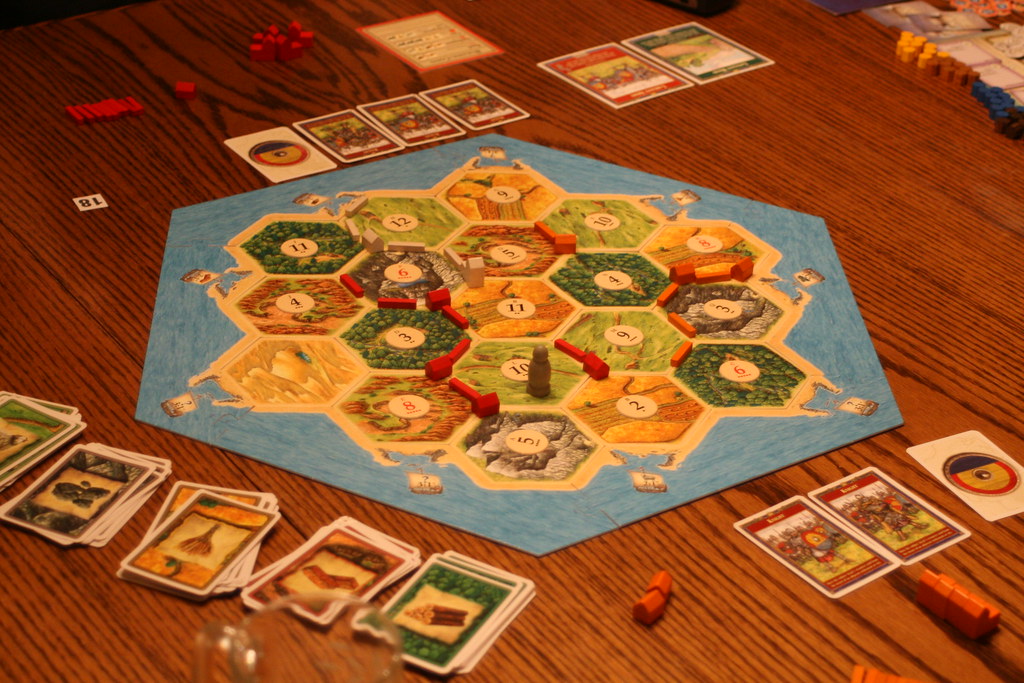
The Rise of Educational Games
Educational games have evolved significantly over the past few years. They are no longer simply supplementary tools; instead, they have become central to modern pedagogical approaches. Here are some notable trends:
- Gamification in Traditional Curriculum: Schools are increasingly integrating game mechanics into their traditional curricula. Elements such as points, badges, and leaderboards motivate students and enhance engagement.
- Standalone Educational Games: Dedicated educational games designed for specific subjects, such as mathematics, science, and language, are gaining traction. These games are crafted to deliver curriculum-aligned content while keeping students engaged.
- Interactive Learning Environments: More institutions are adopting virtual and augmented reality (VR/AR) technologies to create immersive learning experiences that allow students to explore complex subjects interactively.
Case Studies of Successful Educational Games
Several educational games have achieved remarkable success by effectively blending learning and entertainment:
- DreamBox Learning: This adaptive math program uses gamification to tailor lessons to each student’s learning style, providing personalized feedback and rewards for progress.
- Kerbal Space Program: Although not explicitly an educational game, it has been used in classrooms to teach physics concepts. Players design and launch rockets, applying real-world physics principles in an engaging manner.
- CodeCombat: This coding game teaches programming languages through gameplay, allowing students to learn by solving puzzles and challenges while having fun.
Benefits of Gaming in Education
The integration of gaming into education offers numerous benefits:
- Enhanced Engagement: Games capture students’ interest, making learning more enjoyable and less of a chore.
- Improved Retention: Interactive content often leads to better information retention. The hands-on experience solidifies concepts in students’ minds.
- Developing Critical Skills: Many educational games aim to develop critical thinking, problem-solving, and collaboration skills among players, preparing them for real-world challenges.
Challenges and Considerations
While the benefits are compelling, there are challenges to consider:
- Equity and Access: Not all students have equal access to technology at home. Ensuring equal opportunities for all students remains a critical concern.
- Quality Control: With a surge in educational games, ensuring quality and pedagogical soundness becomes paramount. Developers must collaborate with educators to create effective content.
- Screen Time Concerns: As with any technology, excessive screen time can be detrimental. It’s vital for educators to balance game-based learning with other teaching methods.
The Future of Gaming in Education
Looking ahead, the future of gaming in education appears promising. Here are a few predictions:
- Increased AI Integration: Artificial intelligence will play an increasingly significant role in personalizing learning experiences within educational games, adapting to individual student needs in real-time.
- Collaborative Learning Platforms: The rise of multiplayer educational games will facilitate collaboration among students, fostering teamwork and communication skills.
- Cross-Disciplinary Learning: Expect to see more games that blend different subjects, encouraging holistic learning experiences that mirror the interconnected nature of knowledge.
Conclusion
The convergence of gaming and education is reshaping the landscape of learning in 2026. By leveraging the engaging nature of games, educators can create immersive and impactful learning experiences. As technology continues to evolve, the possibilities for educational gaming are limitless, offering a new frontier in the quest for knowledge and skills development.