Introduction to Gaming Cultures
As we dive into 2026, the gaming landscape has evolved into a vibrant tapestry of cultures and subcultures. This article will explore how different communities approach gaming, what drives their passion, and how these cultures are redefining the gaming experience. From casual players to hardcore enthusiasts, the diversity in gaming is one of its most compelling aspects.
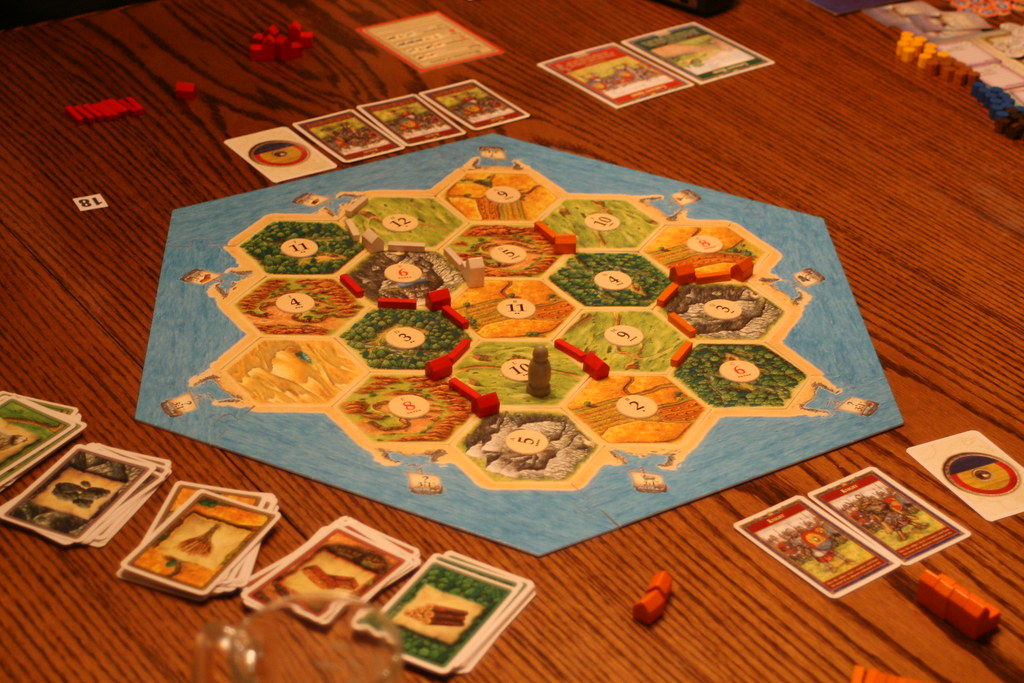
The Rise of Niche Communities
In recent years, the internet has provided a platform for niche gaming communities to flourish. With forums, Discord servers, and social media groups, players can connect with others who share their specific interests. Here are some notable communities:
- Speedrunners: These players focus on completing games as quickly as possible, often utilizing glitches and innovative strategies.
- Modding Communities: Players who create and share modifications for existing games, enhancing gameplay and extending the life of titles.
- Casual Gamers: Focused on social play and enjoyment rather than competition, this group often favors mobile gaming and party games.
- Traditionalists: Enthusiasts dedicated to preserving retro games and advocating for their significance in gaming history.
How Culture Shapes Gameplay Experiences
The gaming culture of a community can heavily influence how games are played and enjoyed. Here are some key aspects:
- Shared Values: Each community often sets its own standards and norms, which can dictate the games they play and how they interact with each other.
- Community Events: Regular gatherings, whether online or in-person, foster bonds among members and help to boost the popularity of specific games.
- Collaborative Play: Many gaming communities emphasize cooperation, fostering an environment of teamwork and shared achievement.
The Intersection of Gaming and Identity
Many players find that their online gaming personas are intertwined with their real-life identities. This connection can manifest in various ways:
- Avatar Creation: Players often customize their avatars to reflect their personalities, making a statement about their identities within the game.
- Inclusive Communities: Some gaming groups prioritize inclusivity and diversity, creating safe spaces for underrepresented identities.
- Cultural Representation: The growing awareness of cultural sensitivity in game design leads to more accurate and respectful portrayals of different cultures.
Popular Gaming Cultures in 2026
As we look at popular gaming cultures today, several stand out:
- Esports Fanatics: Competitive gaming has become a global phenomenon, with fans passionately supporting their teams and players.
- Cosplay Enthusiasts: Many gamers take their love for characters to the next level by creating intricate costumes and participating in conventions.
- Streamers and Influencers: Individuals who share their gaming experiences via platforms like Twitch and YouTube have created a culture around entertainment and engagement.
The Role of Social Media in Gaming Cultures
Social media plays a crucial role in shaping gaming cultures, providing platforms for sharing achievements, discussions, and strategies. Here’s how:
- Community Building: Games like Discord and Reddit facilitate connections among players, allowing for easier communication and collaboration.
- Promotion of Games: Social media helps indie developers gain visibility, showcasing games that may not have mainstream support.
- Cultural Exchange: Global communities share insights and experiences, fostering a rich exchange of gaming culture across borders.
The Future of Gaming Cultures
As we venture further into the future, gaming cultures will likely continue to evolve. Some predictions include:
- Increased Diversity: Expect more communities to embrace players from various backgrounds, leading to richer experiences.
- Technological Integration: Innovations like VR and AR may create new forms of community interaction, transforming how players engage with each other and their games.
- Sustainability Initiatives: Gaming communities are beginning to prioritize eco-friendliness, promoting sustainable practices in gaming events and development.
Conclusion
The landscape of gaming in 2026 is as diverse as ever, with unique cultures continually shaping how we play and connect. As we embrace these changes, it’s essential to recognize the influence of these communities on the larger gaming world. Understanding and appreciating the various gaming cultures can enhance our experiences and foster a more inclusive gaming environment.