The Changing Landscape of Game Design
As gaming technology continues to evolve, so do the methodologies behind game design. In 2026, developers are increasingly adopting a player-centric approach that emphasizes feedback, customization, and community involvement. This article explores how these trends are shaping the games we play today and what they mean for the future.
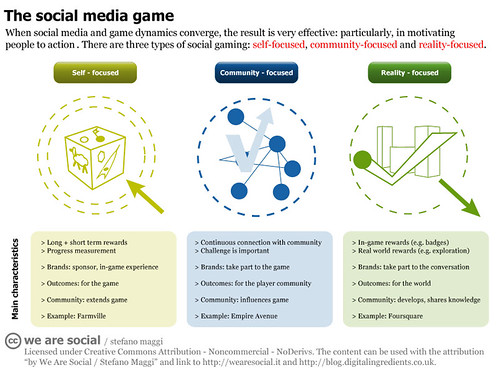
Understanding Player-Centric Development
Player-centric development is more than just a buzzword; it’s a philosophy that places players at the heart of the creation process. This approach utilizes feedback loops, analytics, and direct player engagement to create games that resonate with audiences, leading to higher satisfaction and longer playtimes.
The Role of Community Feedback
One major aspect of this trend is how developers are incorporating community feedback during the design stages. Through beta testing, surveys, and social media engagement, studios are getting real-time insights into player preferences.
- Beta Testing: Companies are releasing early versions of their games to select audiences to gather data on gameplay mechanics and features.
- Surveys: Post-launch surveys allow companies to refine their products based on direct player feedback.
- Social Media: Platforms like Twitter and Discord have become vital in fostering direct conversations between developers and players.
Personalization in Game Design
Another hallmark of modern game design is the emphasis on player customization. Today’s gamers expect more than just a linear experience; they want to shape their journeys. This shift has resulted in:
- Character Customization: Players can create unique avatars that reflect their styles and preferences.
- Dynamic Storylines: Games now feature branching narratives that change based on player choices, making every playthrough unique.
- Modular Gameplay: Mechanics that allow players to alter game rules or environments to suit their playstyle.
Technology’s Impact on Design Choices
Advancements in technology also play a crucial role in this player-centric evolution. Here are some key technologies influencing game design in 2026:
- AI-Powered Analytics: Games now gather and analyze player data more effectively, providing developers with insights into player behavior.
- Virtual Reality (VR): VR technology allows players to immerse themselves in customizable worlds, enhancing the sense of presence and agency.
- Cross-Platform Play: The ability to play across different devices is fostering a more inclusive gaming community.
Examples of Player-Centric Games in 2026
Several titles in 2026 exemplify this player-centric design philosophy:
- Journey of the Lost: This game allows players to dictate the course of their adventure, offering multiple endings based on choices made throughout the story.
- Realm Builders: A sandbox-style game where players can create their own worlds and share them with others, fostering community creativity.
- Alpha Squad: A tactical shooter that adapts to player skill levels, ensuring both newcomers and veterans find it enjoyable.
The Future of Player-Centric Development
As we look to the future, it’s clear that player-centric development will continue to dominate the gaming landscape. With player expectations growing, developers will need to keep innovating. Here are some trends we can expect to see:
- Increased Collaboration: More studios will collaborate with players to co-create games, blurring the lines between developers and gamers.
- Focus on Mental Health: Games that promote well-being and positive social interactions will gain traction as companies acknowledge the impact of gaming on mental health.
- Environmental Awareness: Developers will likely create narratives that address ecological themes, resonating with a socially conscious audience.
Conclusion
The shift towards player-centric development signifies a monumental change in how games are created and experienced. By valuing player feedback, embracing technology, and prioritizing personalization, developers can create rich, engaging worlds that resonate with a diverse audience. As we advance through 2026 and beyond, the focus on players will only continue to shape the future of gaming, leading to breakthroughs we can only imagine.