Introduction to Game Design Innovations
As we progress through 2026, the realm of game design is evolving at an unprecedented pace. Developers are increasingly intertwining technology and artistry, resulting in immersive experiences that captivate players like never before. In this article, we will explore some of the most exciting innovations and trends in game design that are defining the future of play.
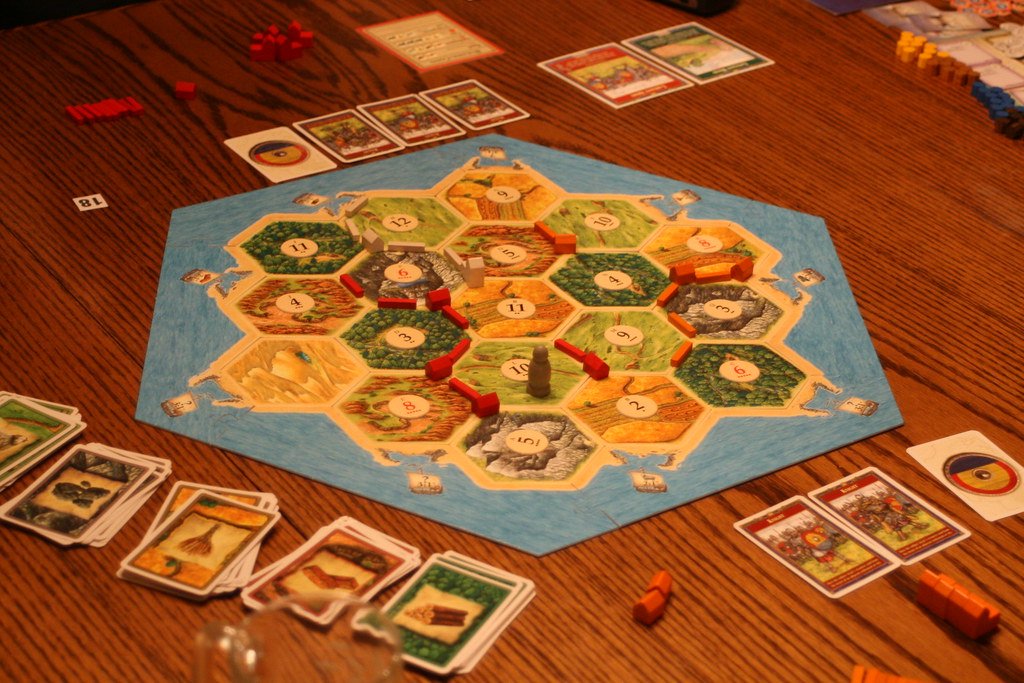
Adaptive Gameplay: Personalized Experiences
One of the most significant trends in game design today is the move towards adaptive gameplay. This approach focuses on creating personalized experiences that cater to the individual preferences and play styles of gamers.
AI-Driven Personalization
Artificial Intelligence (AI) plays a crucial role in this adaptive gaming landscape. By analyzing player behavior, AI algorithms can modify game elements in real-time, offering tailored challenges and narratives. This not only enhances engagement but also keeps players invested for longer periods.
User-Centric Design
Game developers are increasingly prioritizing user feedback during the design process. Prototyping based on player reactions allows for a more refined experience that resonates with the audience. This shift toward user-centric design is pivotal, ensuring that the final product meets the demands of its players.
Immersive Technologies: Blurring Reality and Fiction
With advancements in technology, the line between the virtual and real world is increasingly blurred. Immersive technologies are leading the charge in creating experiences that go beyond traditional game mechanics.
Augmented Reality (AR)
Augmented Reality is transforming the way players interact with their environment. Games like Pokémon GO have shown the potential of AR, engaging players with real-world locations. As AR technology continues to develop, we can expect more games to utilize it for dynamic gameplay experiences.
Full-Body Tracking
Another innovation is the integration of full-body tracking systems, allowing players to interact with games through their physical movements. This technology enhances the realism of virtual environments and offers a more immersive experience, as players can physically embody their characters.
Eco-Friendly Game Design: Sustainability in Gaming
As awareness of environmental issues grows, so does the commitment to sustainability within the gaming industry. Game developers are seeking ways to minimize their ecological footprint.
Digital Distribution Models
The shift from physical copies to digital distribution has significantly reduced waste. Games are now more accessible without the need for packaging and shipping. This model not only helps the environment but also makes it easier for gamers to access their favorite titles instantly.
Sustainable Development Practices
Developers are increasingly adopting sustainable practices during the game development process. This includes using energy-efficient tools, optimizing server usage, and creating games that promote awareness of ecological issues. As a result, game design is evolving to become more environmentally conscious.
Community Involvement and Crowdfunding
The landscape of funding and community involvement in game development has changed dramatically in recent years. Crowdfunding platforms have become vital in bringing innovative games to life.
Engaging the Community
Game creators are now involving their audience from the initial concept stages. By seeking feedback from potential players, developers can refine their ideas, ensuring that the final product resonates with the target market.
Supporting Indie Developers
Crowdfunding allows independent developers to secure funding without the backing of major publishers. This trend has led to a surge in unique and creative titles, expanding the diversity of games available to players.
Cross-Platform Play: A More Inclusive Gaming Environment
The demand for cross-platform gaming continues to rise, enabling gamers to connect regardless of their chosen platform. This inclusivity is reshaping the multiplayer landscape.
Shared Gaming Experiences
Cross-platform play fosters a more vibrant gaming community, allowing friends to play together irrespective of their console or device. As developers continue to embrace this feature, we can expect a more interconnected gaming environment that enhances social interaction and competition.
Conclusion: A Bright Future for Game Design
As we look ahead to the future of game design in 2026, the innovations and trends discussed here underline the industry’s commitment to creativity, technology, and sustainability. The ongoing integration of adaptive gameplay, immersive technologies, and community involvement is paving the way for exciting developments that will undoubtedly reshape how we play and connect through games.